How to Easily View Payslip in Kenya (2026 Guide)
In the digital landscape of Kenya in 2026, accessing your payslip has never been more straightforward. This comprehensive guide equips you with the knowledge to securely view your payslip, understand its crucial components, and leverage it for your financial well-being.
Whether you’re applying for a loan, filing taxes, or simply managing your budget, knowing how to view your payslip accurately and promptly is essential for every Kenyan employee.
What is a Payslip and Why is it Crucial in Kenya (2026)?
A payslip, also known as a salary slip or pay stub, is a document provided by an employer to an employee, detailing the employee’s gross pay, deductions, and net pay for a specific pay period. It serves as official proof of employment and earnings.
Why Your Payslip Matters in 2026 Kenya
Your payslip is far more than just a record of your salary. It’s a foundational document for various aspects of your financial life in Kenya.
- Loan Applications: Financial institutions like banks and SACCOs require recent payslips to assess your creditworthiness and repayment capacity for loans and mortgages.
- Tax Compliance: Your payslip details your Pay As You Earn (PAYE) contributions, crucial for annual tax returns with the Kenya Revenue Authority (KRA).
- Budgeting and Financial Planning: It helps you understand your regular income and expenses, aiding in personal budgeting and setting financial goals.
- Employment Verification: Serves as official proof of your employment and income history.
- Dispute Resolution: Essential in resolving any salary discrepancies or deductions issues with your employer.
Types of Payslip Access Methods for Kenyans in 2026
Kenyan employers have largely embraced digital solutions, offering several convenient ways for employees to view payslip documents.
Employer HR Portals
Most large and medium-sized organizations utilize integrated Human Resources Information Systems (HRIS) or payroll software. These systems often include a self-service portal where employees can log in to view and download their payslips.
Common platforms include SAP SuccessFactors, Workday, Oracle HR, or local solutions tailored for the Kenyan market.
Email Distribution
Many companies securely send payslips directly to employees’ official work email addresses. These are typically password-protected PDF attachments to ensure confidentiality.
Mobile Applications
With increasing mobile penetration, some employers offer dedicated mobile apps or integrate payslip access into their broader employee engagement apps. These apps provide on-the-go access to your financial records.
Physical Copies
While less common in 2026, especially for large organizations, some smaller businesses or those with specific operational needs may still issue printed payslips. These are usually handed out directly by HR or management.
How to Access and View Your Payslip Online in Kenya (Step-by-Step 2026)
The process of viewing your payslip online is designed to be user-friendly, prioritizing security and convenience.
Method 1: Using Your Employer’s HR Portal
- Receive Login Credentials: Your HR department will provide you with a unique username (often your employee ID) and an initial password for the HR portal.
- Access the Portal: Open your web browser and navigate to the official HR portal URL provided by your employer.
- Log In Securely: Enter your username and password. You may be prompted to change your password upon first login for enhanced security.
- Navigate to Payslips: Look for sections labeled ‘Payslips’, ‘My Documents’, ‘Payroll Information’, or ‘Self-Service’.
- Select and View: Choose the desired pay period. Your payslip will typically display directly or be available for download as a PDF file.
- Download and Save: It’s advisable to download and save your payslips in a secure, personal folder on your computer or cloud storage for future reference.
Method 2: Via Secure Email Distribution
- Check Your Official Email: Monitor your company-issued email address around your payday.
- Locate the Payslip Email: Look for an email from your HR or Payroll department with a subject line indicating ‘Payslip’ or ‘Salary Statement’.
- Open the Attachment: The payslip will likely be a password-protected PDF attachment.
- Enter Password: The password is usually your employee ID, KRA PIN, or a unique password communicated to you separately by HR.
- View and Save: Once opened, review the payslip and save the PDF to a secure location on your device.
Method 3: Through a Dedicated Mobile App
- Download the App: Your employer will direct you to download their official HR or employee app from your device’s app store (Google Play Store for Android, Apple App Store for iOS).
- Register/Log In: Use your employee credentials to register or log in. Some apps may require biometric authentication (fingerprint, face ID) for added security.
- Find Payslip Section: Navigate through the app’s menu to find the ‘Payslips’ or ‘Payroll’ section.
- Access and Store: Select the payslip for the relevant month. Most apps allow you to view it directly and sometimes download it or export it to your device’s secure folder.
Costs, Requirements, and Timelines to View Payslip
Accessing your payslip in Kenya is generally a straightforward process with minimal hurdles.
Requirements
- Employee ID/Number: Your unique identifier within the company.
- Login Credentials: Username and password for the HR portal or email password.
- Internet Access: Essential for online portals and email.
- Device: A computer, smartphone, or tablet.
- KRA PIN: Sometimes used as a password for payslip attachments.
Timelines
Employers typically issue payslips on or just before the official payday. This usually occurs monthly, but some organizations may issue them bi-weekly or weekly depending on their payroll cycle.
Costs
As an employee, there are generally no direct costs associated with viewing or downloading your payslip. This is a fundamental employer responsibility.
Common Mistakes to Avoid When You View Your Payslip
Ensuring the security and accuracy of your payslip information is critical. Avoid these common pitfalls:
- Using Unsecured Links: Always verify the URL of the HR portal. Ensure it starts with
https://for a secure connection. - Ignoring Discrepancies: Do not overlook minor errors. Even small discrepancies can accumulate or affect future financial applications.
- Not Backing Up: Relying solely on the online portal for historical payslips can be risky, especially if you leave the company. Always download and save copies.
- Sharing Credentials: Never share your login details or payslip passwords with anyone, including colleagues or family.
- Neglecting Password Security: Use strong, unique passwords for your HR portal and email accounts. Enable two-factor authentication (2FA) if available.
Demystifying Your Kenyan Payslip: Key Components for 2026
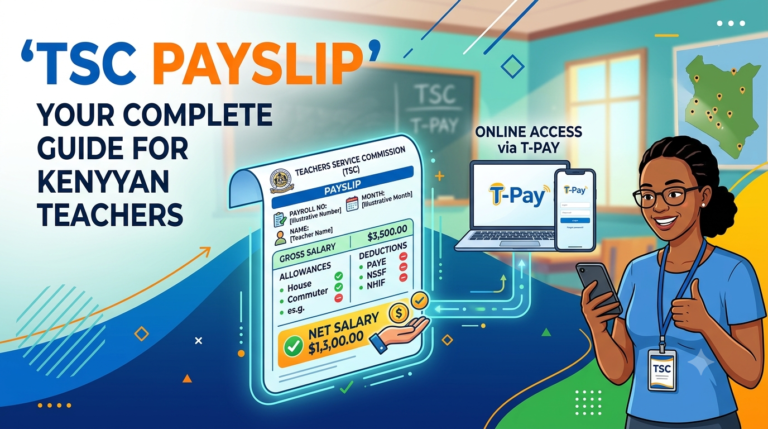
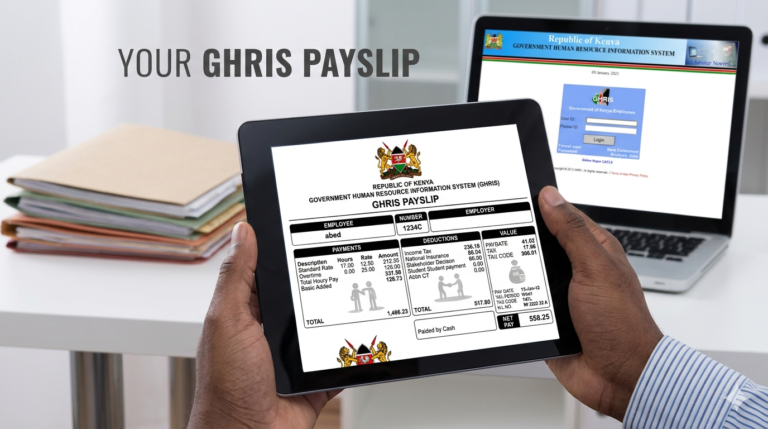
Understanding each line item on your payslip empowers you to manage your finances effectively and detect any errors. Here’s an anatomy of a typical Kenyan payslip for the 2026 tax year:
| Component | Description | Significance in 2026 Kenya |
|---|---|---|
| Basic Salary | The fundamental remuneration agreed upon for your role, before any additions or deductions. | Foundation for calculating other benefits and deductions. |
| Allowances | Additional payments for specific purposes, e.g., housing, transport, medical, responsibility. | May be taxable depending on their nature and KRA regulations. |
| Gross Pay | Total earnings before any deductions (Basic Salary + Allowances + Overtime). | The total amount your employer pays you before statutory and voluntary deductions. |
| PAYE (Pay As You Earn) | Income tax deducted directly from your gross salary by your employer and remitted to KRA. | Mandatory contribution to government revenue based on your income bracket. Crucial for KRA iTax compliance. |
| NSSF (National Social Security Fund) | Mandatory savings scheme providing retirement benefits, paid by both employee and employer. | Ensures a basic safety net for retirement. Rates are subject to NSSF Act 2013, with projected tiers for 2026. |
| NHIF (National Hospital Insurance Fund) | Mandatory health insurance contributions deducted from your salary. | Provides access to medical services in accredited hospitals across Kenya. Vital for healthcare access. |
| HELB (Higher Education Loans Board) | Repayments for government education loans, deducted at source if applicable. | Mandatory for former beneficiaries as per repayment schedules. |
| Union Dues | Voluntary deductions for membership in a recognized trade union. | Supports workers’ representation and welfare. |
| SACCO Contributions | Voluntary savings and loan repayments to a Savings and Credit Co-operative Society. | Promotes financial discipline and access to affordable credit. |
| Net Pay | Your take-home salary after all deductions have been made from your gross pay. | The actual amount deposited into your bank account. |
Future Trends in Payslip Management in Kenya (2026 & Beyond)
The evolution of digital payslip management in Kenya is continuous, driven by technology and the need for enhanced security and efficiency.
- AI-Powered Payroll Insights: Expect more advanced analytics within HR platforms, offering personalized financial insights based on your payslip data.
- Enhanced Biometric Security: Fingerprint and facial recognition for accessing payslip portals will become standard, bolstering data protection.
- Blockchain Integration: While nascent, distributed ledger technology could offer tamper-proof payslip records, enhancing trust and auditability.
- Seamless Integration with Fintech: Payslip data will likely integrate more smoothly with personal finance management apps and digital banking services for better budgeting and financial planning.
Frequently Asked Questions About How to View Payslip in Kenya
Q1: Can I view my payslip if I have left a job in Kenya?
A: Yes, former employers are legally obligated to provide you with payslips for your period of employment. You should contact their HR or payroll department. They usually provide access to the HR portal for a limited post-employment period or send the payslips via secure email.
Q2: What should I do if my employer refuses to give me a payslip?
A: This is a serious issue. First, make a formal written request to your employer. If they still refuse, you can escalate the matter to the Ministry of Labour and Social Protection or seek legal advice. Payslips are a legal right.
Q3: How often should I receive a payslip in Kenya?
A: You should receive a payslip each time you are paid. For most formal employees in Kenya, this means monthly. If you are paid weekly or bi-weekly, you should receive a payslip accordingly.
Q4: What are common deductions on a Kenyan payslip in 2026?
A: The most common mandatory deductions in 2026 include PAYE (Income Tax), NSSF (National Social Security Fund), and NHIF (National Hospital Insurance Fund). Other deductions might include HELB repayments, union dues, or SACCO contributions.
Q5: How do I use my payslip for a loan application in Kenya?
A: You typically need your three to six most recent payslips. Banks or SACCOs use these to verify your income, assess your debt-to-income ratio, and confirm your ability to repay the loan. Ensure your payslips are clear and legible.
Q6: Is viewing my payslip online safe from scams?
A: Viewing your payslip online is generally safe, provided you use official employer portals or secure email. Always verify the source, use strong passwords, and be cautious of unsolicited requests for your payslip details or login credentials from unknown sources. Your employer’s official channels are the safest.
Q7: Can errors on my payslip affect my CRB rating?
A: Directly, a payslip error won’t affect your CRB (Credit Reference Bureau) rating. However, if errors lead to incorrect loan applications or delays in loan approvals, it could indirectly impact your financial standing. Always ensure your payslip accurately reflects your income to avoid issues with credit assessments. Understanding your payslip helps you plan your finances, allowing you to invest in yourself and your well-being. This could mean saving for future goals, or simply enjoying your hard-earned money – perhaps even investing in your social life. For those looking to enrich their personal journey, consider exploring opportunities to Get a companion and connect with like-minded individuals.
Conclusion: Mastering Your Finances by Knowing How to View Payslip
Knowing how to view payslip efficiently and securely is a fundamental skill for every employed Kenyan in 2026. It’s not just about seeing your salary; it’s about understanding your financial standing, ensuring compliance, and empowering your future financial decisions.
Embrace the digital tools provided by your employer, stay vigilant about security, and always review your payslip with an informed eye. Your payslip is a powerful financial document – master it to master your financial destiny.
Sources
- Kenya Revenue Authority (KRA) — Official portal for tax information and regulations.
- National Social Security Fund (NSSF) — Information on social security contributions and benefits.
- National Hospital Insurance Fund (NHIF) — Details on health insurance schemes and services.
- Business Daily Africa — News and insights on Kenya’s economy and business landscape.
- Central Bank of Kenya (CBK) — Monetary policy and financial sector oversight in Kenya.